

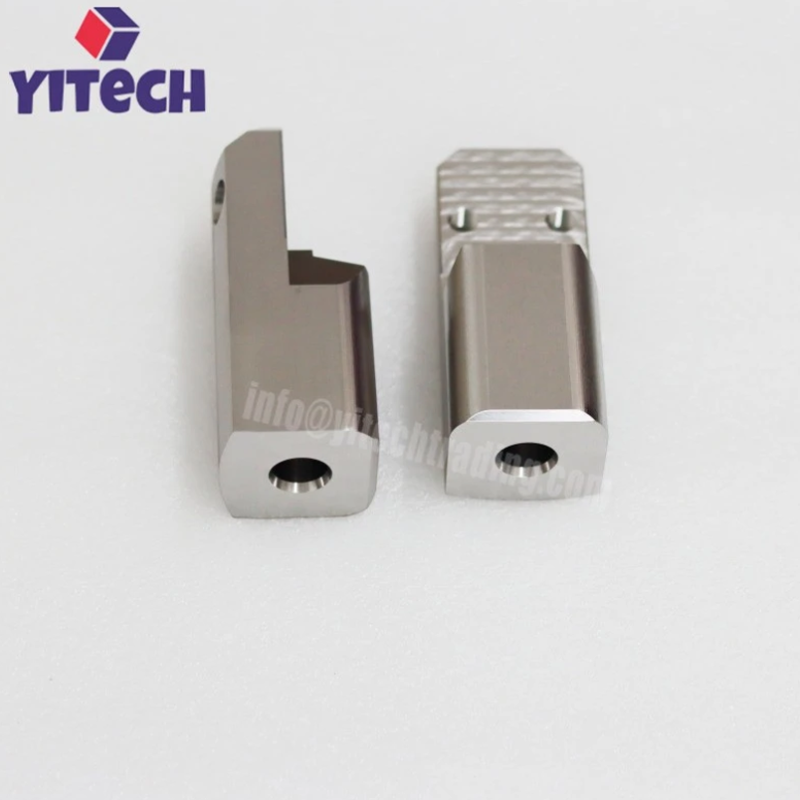
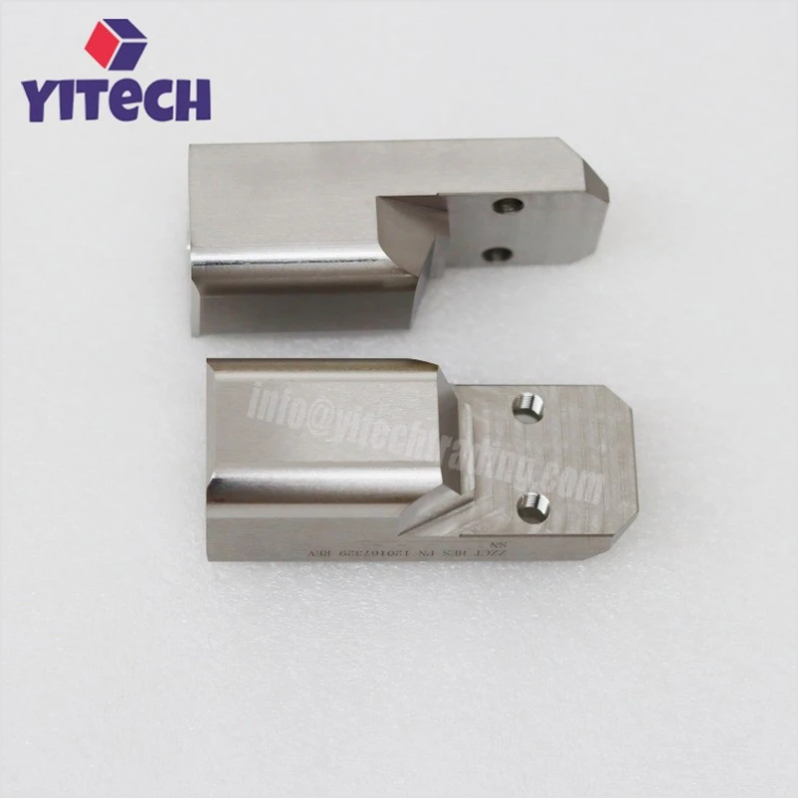
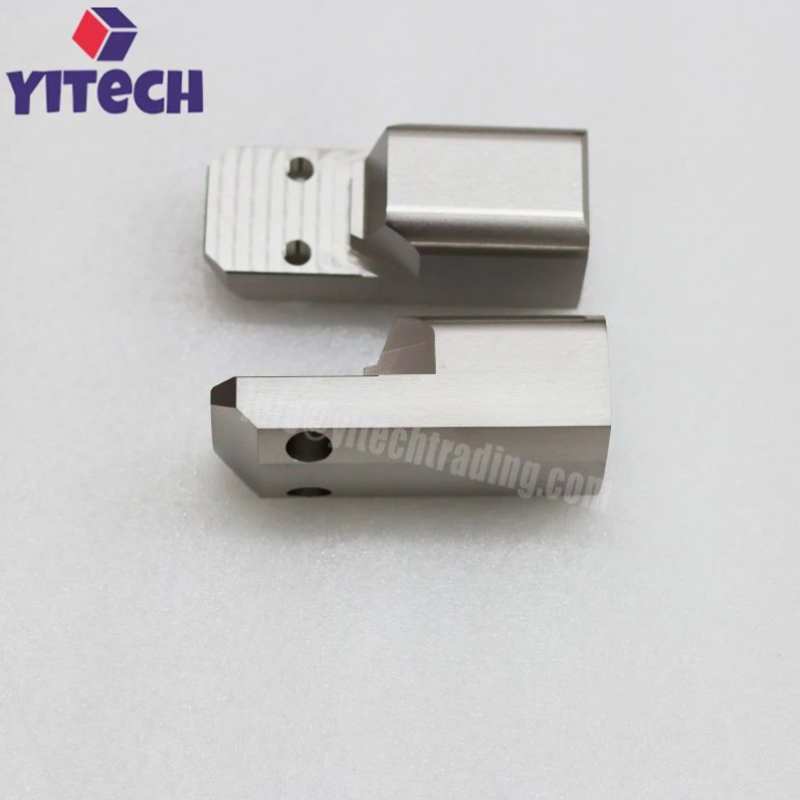
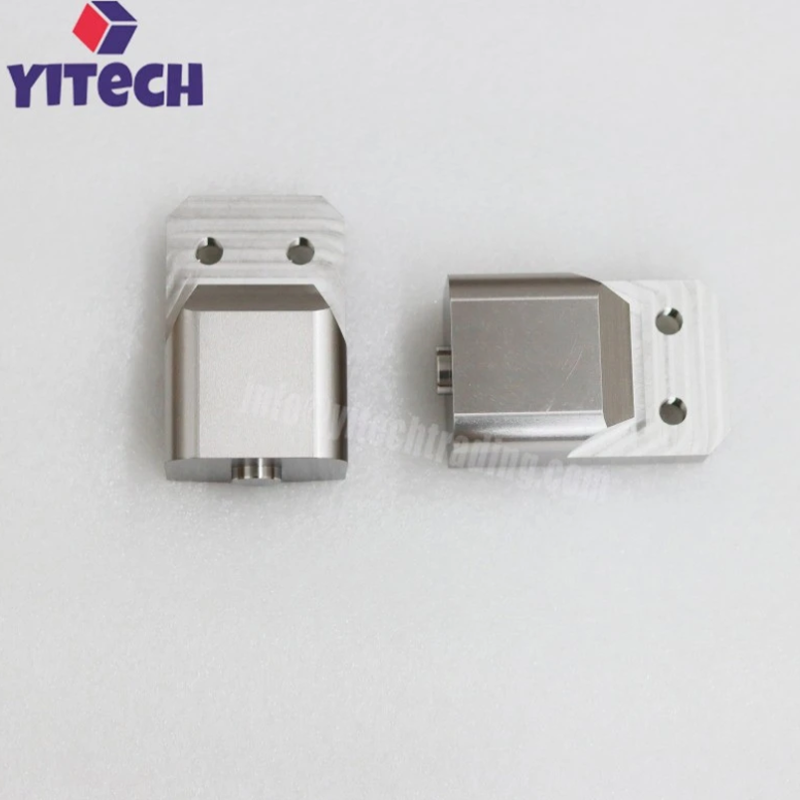
Tungsten Heavy Alloy Knife for Oil and Gas
- High density 16.5–18.5 g/cm³ for superior mass and cutting momentum
- Tungsten content 85%–97% with Ni-Fe or Ni-Cu binders
- Excellent wear resistance and impact toughness in abrasive downhole environments
- Corrosion resistant against drilling fluids, H₂S, and CO₂
- Non-toxic, lead-free, and environmentally friendly
- Precision machined with tight tolerances and smooth cutting edges
Description Of Tungsten Heavy Alloy Knife for Oil and Gas
Tungsten Heavy Alloy Knife for Oil and Gas is a high-performance cutting and wear component manufactured from tungsten heavy alloy (WHA) through powder metallurgy and precision machining processes. Tungsten heavy alloy typically contains 85%–97% tungsten with a binder matrix of nickel-iron (W-Ni-Fe) or nickel-copper (W-Ni-Cu), resulting in densities ranging from 16.5 to 18.5 g/cm³ — approximately 1.5 times that of lead and more than twice that of steel.
In oil and gas operations, cutting and wear components must withstand extreme conditions: abrasive drilling fluids, high pressures, corrosive gases (H₂S, CO₂), and elevated temperatures. Conventional steel knives wear rapidly, requiring frequent replacement and causing costly downtime. Tungsten heavy alloy knives address these challenges through their unique combination of high density, extreme hardness, and excellent corrosion resistance.
The high density of tungsten heavy alloy provides greater cutting momentum and impact force, making it effective for downhole cutting, pipe cutting, and valve sealing applications. The material also offers high mechanical strength (tensile strength up to 1,000 MPa) and good elongation (2%–15%), providing the toughness needed to resist fracture under impact loads.
Tungsten heavy alloy knives are precision-machined to customer drawings, with options for ground, polished, or coated surfaces. They are suitable for use in downhole tools, wireline cutting, coiled tubing cutting, valve seats, and other oilfield wear applications.
Features Of Tungsten Heavy Alloy Knife for Oil and Gas
High Density: Density of 16.5–18.5 g/cm³ provides greater cutting momentum and impact force than steel or lead components.
Excellent Wear Resistance: Tungsten heavy alloy resists abrasion from drilling fluids, sand, and rock cuttings, extending service life in downhole environments.
High Mechanical Strength: Tensile strength up to 1,000 MPa and elongation of 2%–15% provide the toughness needed to resist fracture under impact.
Corrosion Resistance: Tungsten heavy alloy offers good resistance to drilling fluids, H₂S, CO₂, and other corrosive media. Nickel-bonded grades provide enhanced corrosion resistance.
Non-Toxic and Environmentally Friendly: Lead-free and non-toxic, compliant with environmental regulations.
Precision Machining: Tight tolerances down to ±0.01mm and smooth cutting edges ensure reliable cutting performance.
Customizable: Custom sizes, shapes, grades, and coatings available per customer drawings.
Multiple Grades Available: Available in W-Ni-Fe and W-Ni-Cu compositions with tungsten content from 85% to 97%.
Usage Precautions and Limitations Of Tungsten Heavy Alloy Knife for Oil and Gas
| Parameter | Specification |
|---|---|
| Material | Tungsten heavy alloy (W-Ni-Fe, W-Ni-Cu) |
| Tungsten Content | 85% – 97% |
| Density | 16.5 – 18.5 g/cm³ |
| Tensile Strength | 700 – 1,000 MPa |
| Hardness (HRC) | 24 – 34 |
| Elongation | 2% – 15% |
| Tolerance | ±0.01 mm to ±0.05 mm |
| Surface Finish | Machined, ground, polished, coated |