

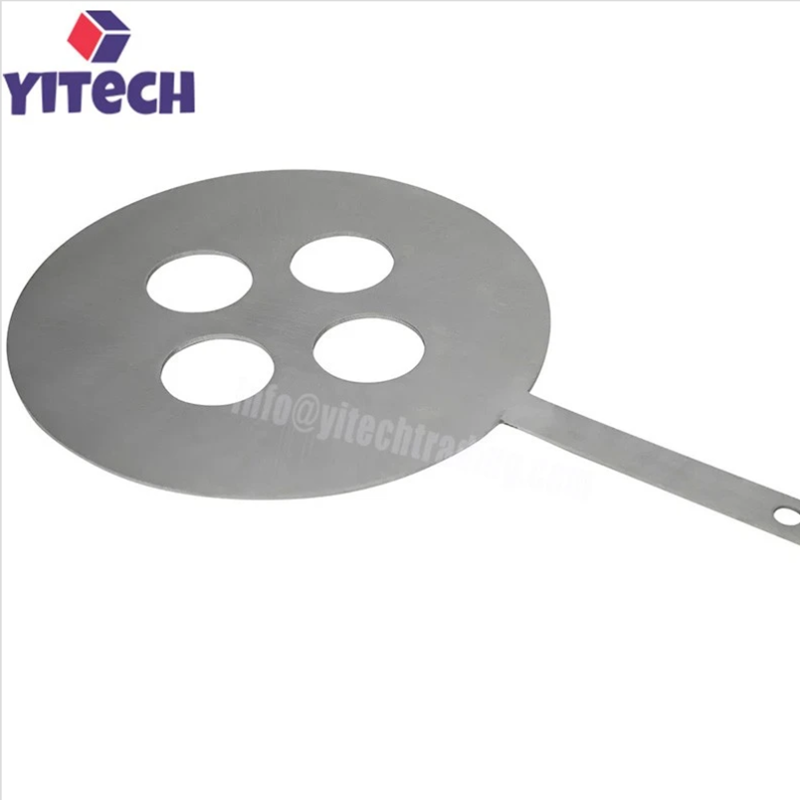
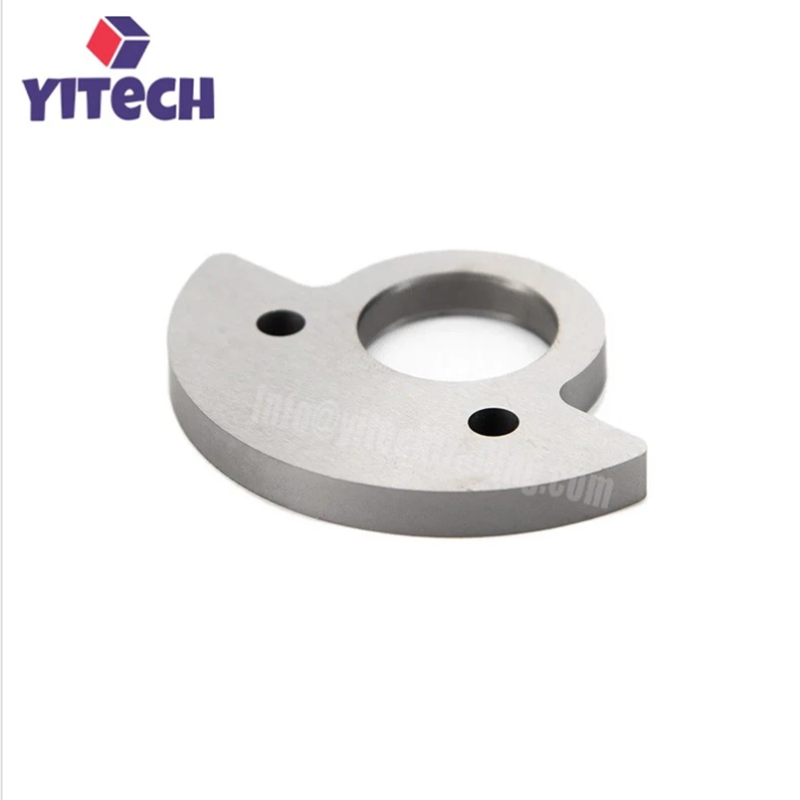
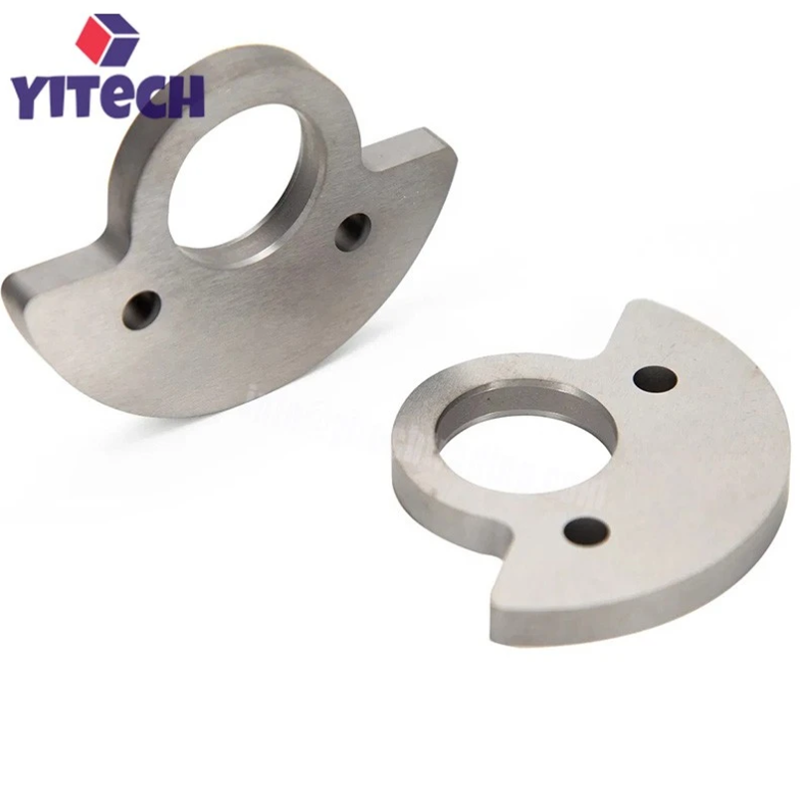
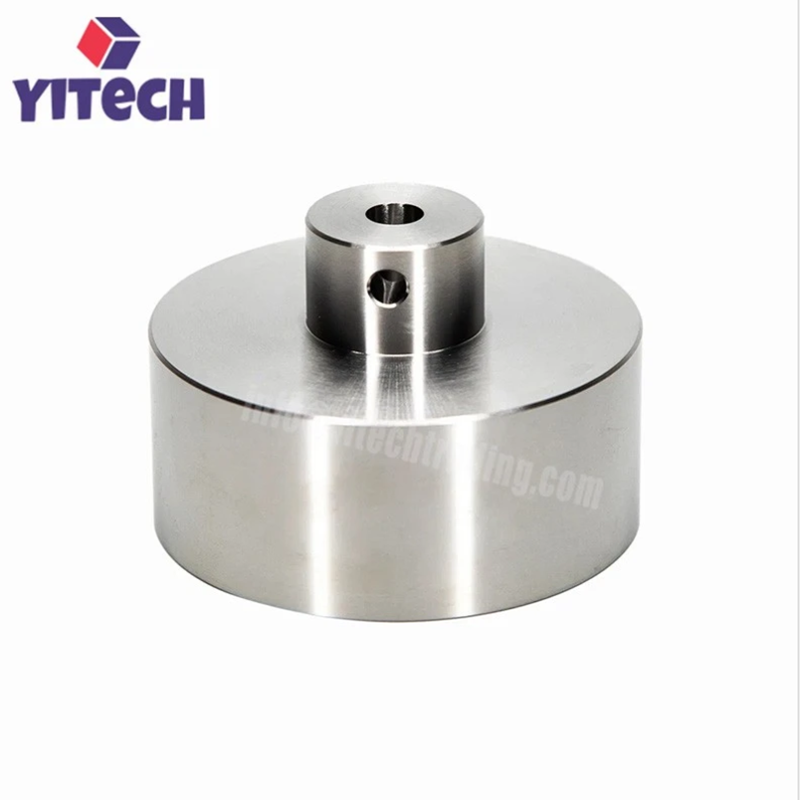
The Electrical Industry Drilling Tungsten Heavy Alloy Parts
- High density 16.5–18.5 g/cm³ — 1.5× denser than lead for superior radiation shielding and mass efficiency
- Tungsten content 85%–97% with W-Ni-Fe or W-Ni-Cu binders
- Excellent wear resistance and mechanical strength for drilling and electrical applications
- Good corrosion resistance against drilling fluids, acids, and alkalis
- Non-toxic, lead-free, and environmentally friendly
- Precision machined to customer drawings with tight tolerances
- Available in custom sizes, shapes, and grades
- Ideal for downhole tools, counterweights, radiation shielding, electrodes, and wear parts
Description Of The Electrical Industry Drilling Tungsten Heavy Alloy Parts
The Electrical Industry Drilling Tungsten Heavy Alloy Parts are precision-engineered components manufactured from tungsten heavy alloy (WHA) through powder metallurgy and precision machining processes. Tungsten heavy alloy typically contains 85%–97% tungsten with a binder matrix of nickel-iron (W-Ni-Fe) or nickel-copper (W-Ni-Cu), resulting in densities ranging from 16.5 to 18.5 g/cm³ — approximately 1.5 times that of lead and more than twice that of steel.
These parts are specifically designed for two demanding fields: the electrical industry and drilling operations. In the electrical industry, tungsten heavy alloy parts are used for radiation shielding, electrode components, contact materials, and high-density structural parts in electrical equipment. In drilling applications, they serve as downhole tool components, counterweights, wear parts, and shielding elements that must withstand abrasive drilling fluids, high pressures, and corrosive environments.
The combination of high density, excellent mechanical strength, good corrosion resistance, and non-toxicity makes tungsten heavy alloy an ideal material for these applications. It provides effective radiation attenuation, reliable mass balancing, and long service life in harsh conditions. All parts are manufactured to customer drawings with material grade, dimensions, tolerances, and surface finish tailored to the specific application.
Applications Of The Electrical Industry Drilling Tungsten Heavy Alloy Parts
Electrical Industry: Tungsten heavy alloy parts are used in radiation shielding for electrical equipment, electrode components for EDM and resistance welding, contact materials for high-voltage switches, and high-density structural parts in electrical machinery.
Drilling Industry: Carbide parts are used in downhole tools, MWD/LWD tools, logging equipment, drill collars, and stabilizers as counterweights, shielding components, and wear parts.
Oil and Gas: Tungsten heavy alloy parts are used in valve components, choke components, and downhole cutting tools, withstanding abrasive drilling fluids and corrosive gases.
Aerospace and Defense: Tungsten alloy parts are used in missile guidance systems, aircraft counterweights, and satellite components.
Medical Devices: Tungsten heavy alloy parts are used in radiation therapy machines, gamma knives, and medical imaging equipment for radiation shielding.
Industrial Machinery: Tungsten alloy parts are used as vibration damping weights, flywheel rings, and high-density structural components in precision machinery.
Precautions Of The Electrical Industry Drilling Tungsten Heavy Alloy Parts
Handling and Storage: Tungsten heavy alloy parts are dense and heavy. Handle with care to avoid injury and surface damage. Store in a dry, clean environment to prevent corrosion.
Machining Considerations: Tungsten heavy alloy is hard and abrasive. Use carbide or diamond tooling, rigid machine setups, and optimized cutting parameters. Adequate cooling is essential to prevent tool wear and workpiece damage.
Brittleness: Tungsten heavy alloy is hard but brittle. Avoid impact loads, bending, or excessive clamping forces during machining and assembly.
Specifications Of The Electrical Industry Drilling Tungsten Heavy Alloy Parts
| Parameter | Specification |
|---|---|
| Material | Tungsten heavy alloy (W-Ni-Fe, W-Ni-Cu) |
| Tungsten Content | 85% – 97% |
| Density | 16.5 – 18.5 g/cm³ |
| Tensile Strength | 700 – 1,000 MPa |
| Hardness (HRC) | 24 – 34 |
| Elongation | 2% – 15% |
| Tolerance | ±0.01 mm to ±0.05 mm |
| Surface Finish | Machined, ground, polished, coated |