

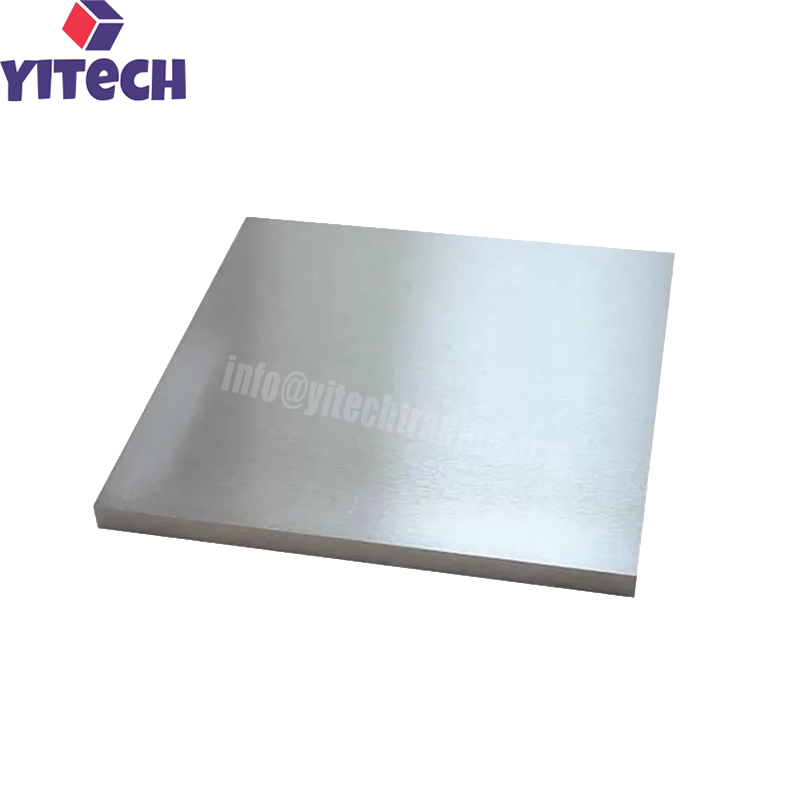
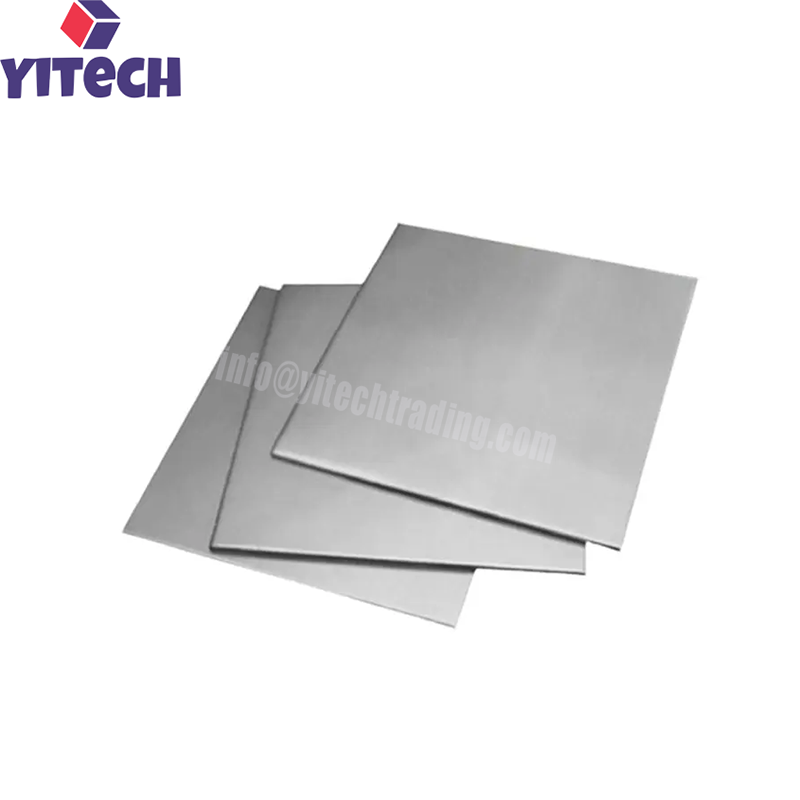
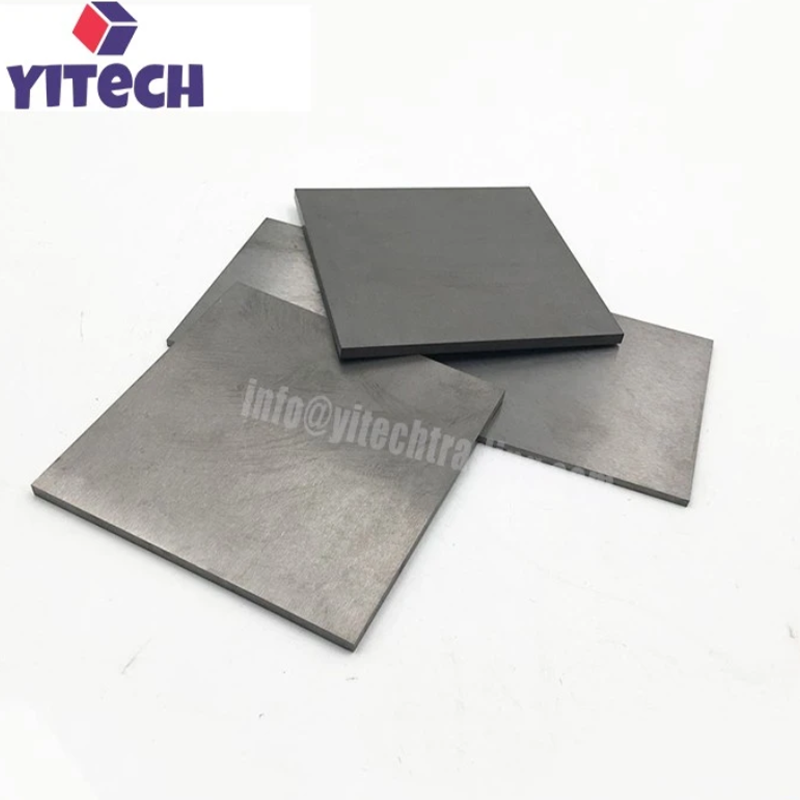
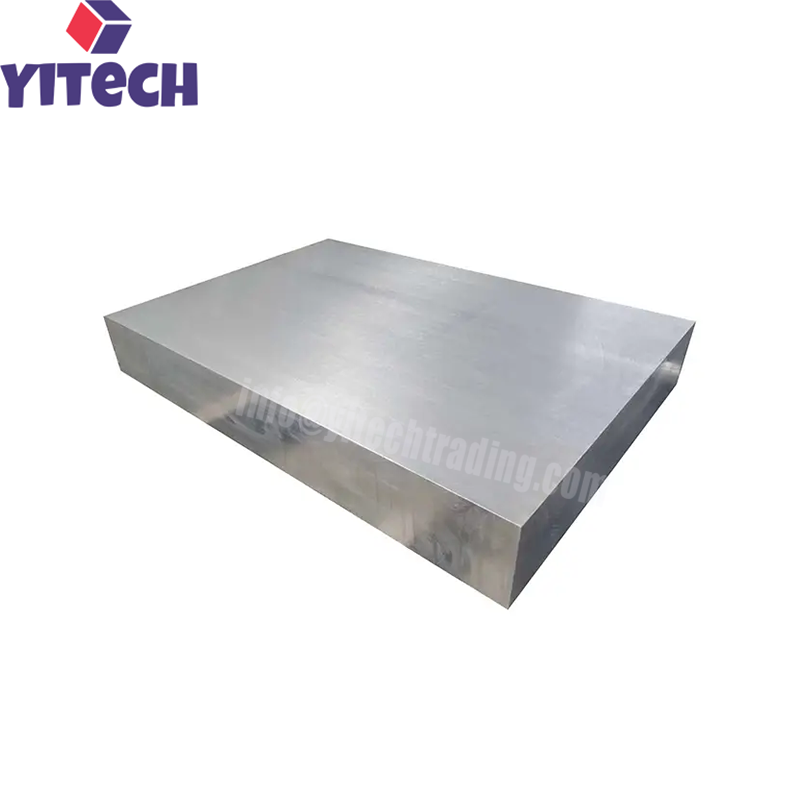
Zr702 Zirconium Plate
- High-purity unalloyed zirconium, UNS R60702 (Zr702)
- Manufactured to ASTM B551 / ASME SB-551 standard
- Zr + Hf ≥ 99.2%, with Hf ≤ 4.5%
- Outstanding corrosion resistance in hydrochloric, sulfuric, nitric, and organic acids
- Immune to stress corrosion cracking (SCC); high resistance to pitting and crevice corrosion
- Low neutron absorption cross-section — ideal for nuclear applications
- Excellent formability, weldability, and machinability
- Thickness 0.5–100mm, width up to 2000mm, length up to 6000mm
- Surface finishes: pickled, machined, polished
Description Of Zr702 Zirconium Plate
Zr702 Zirconium Plate is a flat-rolled product manufactured from unalloyed zirconium designated as UNS R60702 (also known as Zr702) to ASTM B551 standard. It is produced through vacuum arc remelting (VAR), forging, hot rolling, cold rolling, and precision machining. R60702 is commercially pure zirconium with controlled hafnium content and excellent corrosion resistance, making it one of the most widely used zirconium grades in chemical processing and nuclear applications.
Zirconium 702 offers outstanding resistance to hydrochloric acid, sulfuric acid, nitric acid, acetic acid, and many organic acids. It is immune to stress corrosion cracking (SCC) and highly resistant to pitting and crevice corrosion. Its low thermal neutron absorption cross-section makes it indispensable in nuclear reactor components. The material also has good formability and weldability, allowing it to be machined, bent, and welded into complex components.
Zr702 zirconium plates are available in thicknesses from 0.5mm to 100mm, widths up to 2000mm, and lengths up to 6000mm, with custom sizes upon request. Surface finishes include pickled, machined, and polished. The material complies with ASTM B551 / ASME SB-551, the standard specification for zirconium and zirconium alloy plate, sheet, and strip. Typical applications include heat exchangers, condensers, reaction vessels, columns, and nuclear reactor structural components.
Features Of Zr702 Zirconium Plate
High Purity: UNS R60702 with Zr + Hf ≥ 99.2%, ensuring consistent performance in critical applications.
ASTM B551 Compliant: Manufactured to ASTM B551 / ASME SB-551 standard for zirconium plate, sheet, and strip.
Excellent Corrosion Resistance: Resists hydrochloric acid, sulfuric acid, nitric acid, acetic acid, and strong alkalis. Immune to stress corrosion cracking.
Low Neutron Absorption: Low thermal neutron absorption cross-section for nuclear applications.
Good Formability: Can be machined, bent, and welded into complex shapes.
Good Weldability: Can be welded using TIG and electron beam welding in inert gas atmospheres.
High Melting Point: 1852°C for high-temperature applications.
Low Density: 6.51 g/cm³, lighter than steel and many refractory metals.
Low Thermal Expansion: Ensures dimensional stability under thermal cycling.
Customizable Dimensions: Thickness 0.5–100mm, width up to 2000mm, length up to 6000mm.
Surface Finishes: Pickled, machined, polished.
ISO 9001 Certified: Full traceability and quality assurance.
Precautions Of Zr702 Zirconium Plate
Welding Requirements: Zirconium must be welded in an inert gas atmosphere (argon) to prevent contamination by oxygen, nitrogen, and hydrogen. Use proper trailing shields and purge gas.
Machining Guidelines: Use low cutting speeds, high feed rates, large volumes of coolant, and sharp tools. Replace worn tools immediately.
Handling and Storage: Handle with care to avoid surface contamination or mechanical damage. Store in a dry, clean environment. Avoid contact with dissimilar metals that could cause galvanic corrosion.
Cleaning: Clean with a soft cloth or mild solvent. Avoid abrasive cleaners that could damage the protective oxide film.
Specifications Of Zr702 Zirconium Plate
| Parameter | Specification |
|---|---|
| Material | Unalloyed zirconium |
| UNS Designation | R60702 (Zr702) |
| Standard | ASTM B551 / ASME SB-551 |
| Chemical Composition (nominal) | Zr + Hf ≥ 99.2%; Hf ≤ 4.5%; Fe + Cr ≤ 0.20%; H ≤ 0.005%; N ≤ 0.025%; C ≤ 0.05%; O ≤ 0.16% |
| Density | 6.51 g/cm³ |
| Melting Point | 1852°C |
| Thermal Conductivity | ~22 W/(m·°C) |
| Elastic Modulus | 99.3 GPa |
| Tensile Strength | ≥380 MPa |
| Yield Strength (0.2% offset) | ≥205 MPa |
| Elongation | ≥16% |