

Zirconium Cathode
- High purity Zr up to 99.95% (3N5) for stable film performance
- Low hafnium grades available: Hf ≤ 250ppm (0.025%) or Hf ≤ 500ppm
- Density 6.52 g/cm³ with fine grain size (typically 40 μm) for uniform sputtering
- Low neutron absorption cross-section — ideal for nuclear reactor component coatings
- Strong oxygen affinity — produces high-quality ZrO₂ films for optical and insulating layers
- Excellent corrosion resistance in acids, alkalis, and harsh environments
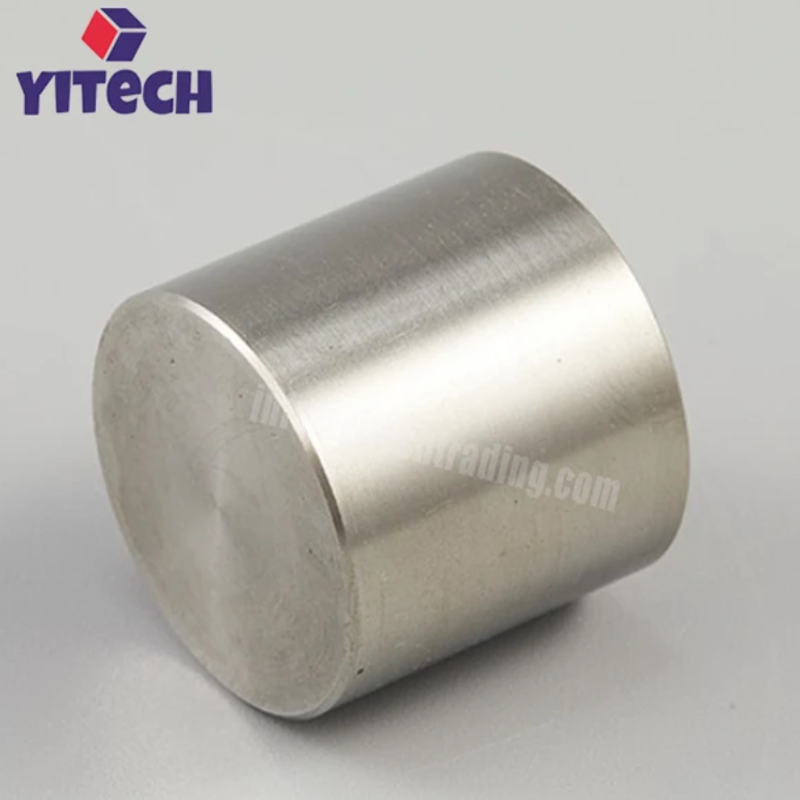
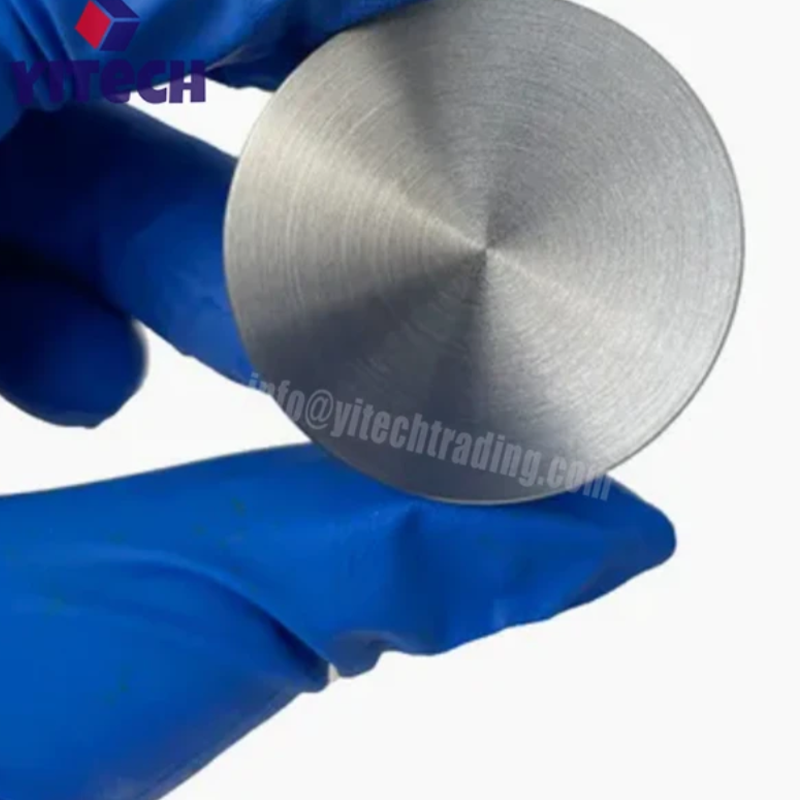
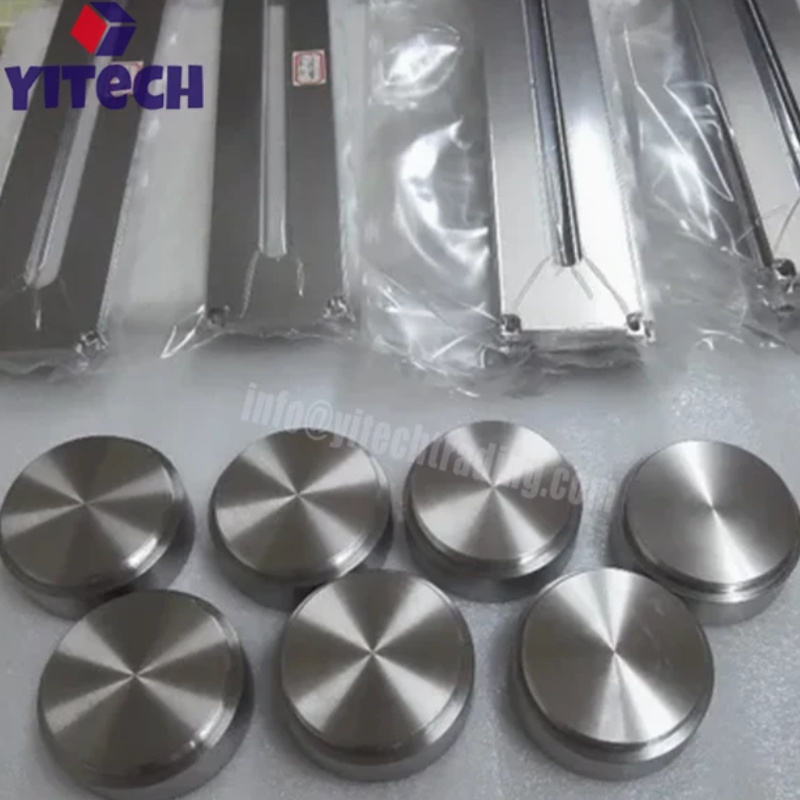
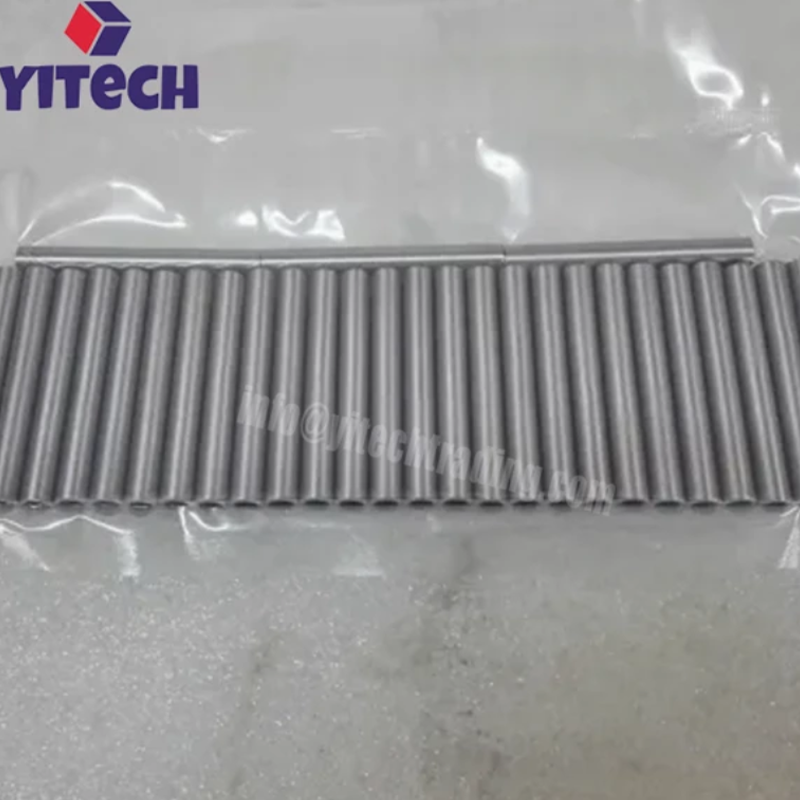
- Available as planar, rotary, step, and custom-shaped targets
- Target bonding services available: copper, aluminum, or titanium backing plates
Description Of Zirconium Cathode
Zirconium cathodes are essential functional materials in vacuum electronic devices and in some electrochemical systems. They are made from metallic zirconium or zirconium-based alloys. These cathodes are unlike other metallic artifacts. They are intricately crafted and designed cathodes for reaction or emission interfaces and are treated as electron emitters. Zr cathodes are pivotal in systems such as electron emission, as well as systems requiring electrochemical conversions.
Metallic zirconium excels as an emission material as it possesses a low work function and good thermal stability, as well as excellent sputtering resistance. Zr cathodes are manufactured from high-purity Zr materials and are designed through self-precision machining. By surface activation treatment, Zr cathodes are enhanced in their electron emission properties. Electron emission surfaces are enhanced through surface plating, roughening, or heating, which increases the emission area or lowers the barrier.
Unlike other materials for cathodes, zirconium cathodes work at lower temperatures, have an extended lifetime, and demonstrate unmatched stability. Unlike other forms of cathodes, zirconium cathodes work reliably without the need for multiple activation or regeneration cycles. They also last longer within broader ranges of operating conditions. These attributes are essential when creating advanced electronic devices, thereby making them key components of modern electronic devices.
Applications Of Zirconium Cathode
Semiconductor Manufacturing: Zirconium cathodes are used to deposit barrier layers, dielectric layers, and electrode materials that enhance device performance and stability.
Optical Device Manufacturing: Used to produce high-refractive-index films, optical filters, and anti-reflection coatings for lenses, mirrors, and optical instruments.
Hard Coatings: Combined with nitrogen to form ZrN coatings for wear-resistant and corrosion-resistant tool coatings and decorative coatings.
Nuclear Industry: Due to zirconium's low neutron absorption, zirconium cathodes and their films are used for nuclear reactor components and fuel-related coatings.
Decorative Coatings: Used for decorative coatings on consumer electronics, automotive parts, and fashion accessories.
Medical Devices: Zirconium-based coatings are used in medical implants and surgical instruments.
Flat Panel Displays: Used in the production of flat panel displays and optical information storage devices.
Glass Coating: Used for functional and decorative glass coatings, including automotive glass.
Specifications Of Zirconium Cathode
| Parameter | Specification |
|---|---|
| Material | Zirconium (Zr) metal |
| Grades | Zr702 (R60702), Zr704 (R60704), Zr705 (R60705), Zircaloy-2, Zircaloy-4 |
| Purity | 99.5% – 99.95% (3N5) |
| Hafnium Content | Low Hf: ≤ 250ppm (0.025%); Standard: ≤ 500ppm |
| Density | 6.50 – 6.52 g/cm³ |
| Melting Point | 1855°C |
| Grain Size | Typically 40 μm (fine grain available) |
| Oxygen Content | ≤ 200 ppm |
| Hydrogen Content | ≤ 3.5 ppm |
| Nitrogen Content | ≤ 5 ppm |
| Warpage | ≤ 0.1 mm |
| Surface Roughness | Ra ≤ 32 microinch (machined) |