

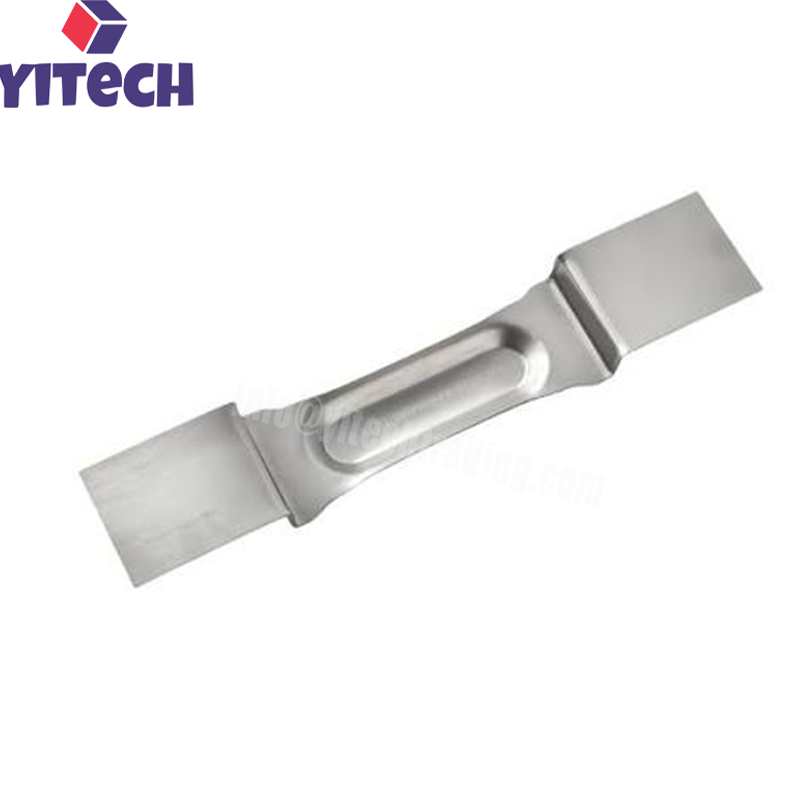
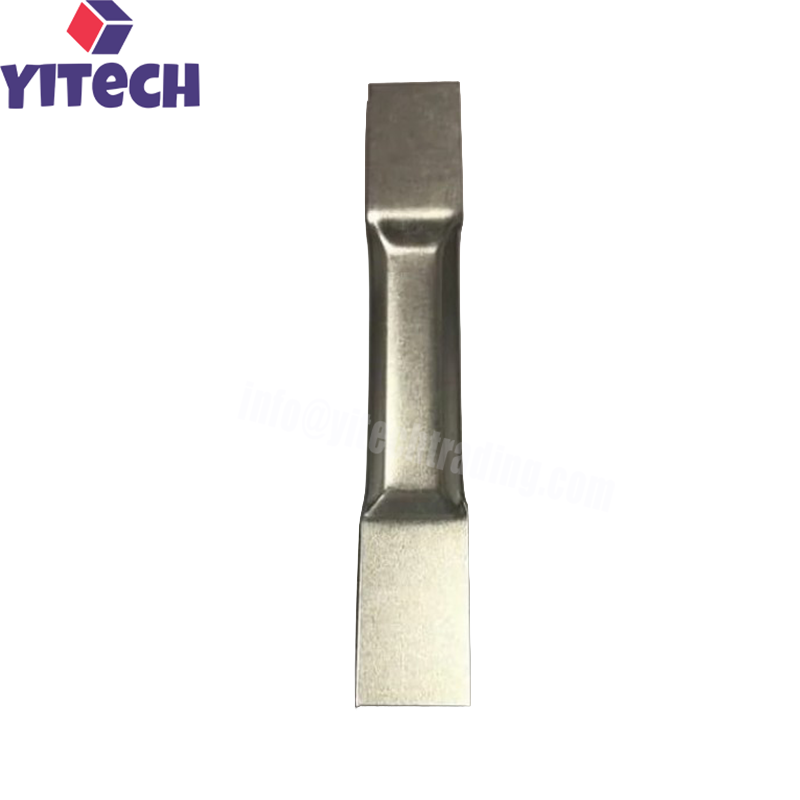
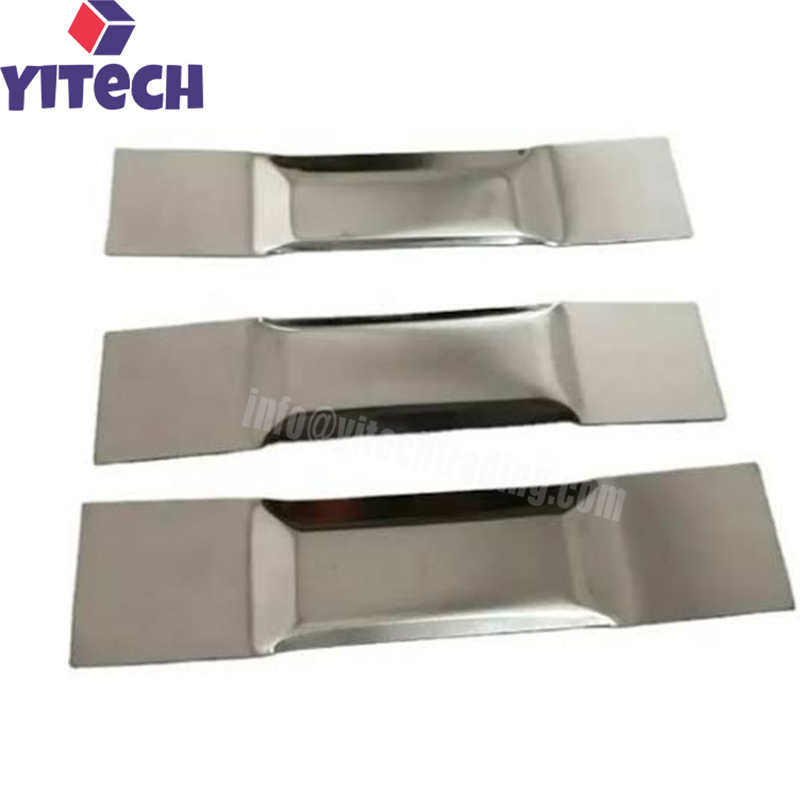
Molybdenum Boat For Vacuum Coating
- High purity Mo ≥ 99.95% for minimal film contamination
- Melting point 2610°C – 2620°C for high-temperature evaporation
- Density 10.2 g/cm³ — lighter than tungsten boats for easier handling
- Excellent thermal conductivity (~138 W/m·K) for uniform heating
- Low vapor pressure ensures clean evaporation and long service life
- Good machinability and lower cost compared to tungsten boats
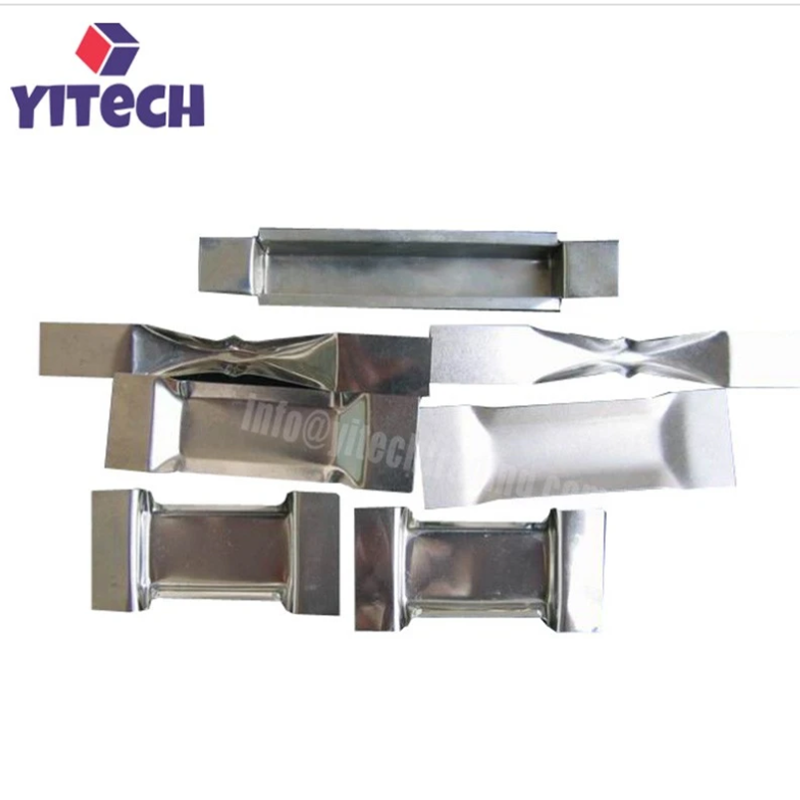
- Available in multiple types: stamped, folded, welded, riveted
- Standard models and custom sizes per drawing
Description Of Molybdenum Boat For Vacuum Coating
Molybdenum Boat For Vacuum Coating is a high-performance evaporation source manufactured from high-purity molybdenum (Mo1 grade, purity ≥99.95%) through powder metallurgy, rolling, and precision machining processes. The boat features a boat-shaped structure with a central recess for holding evaporation materials and extended ends for electrode connection. It serves as both a container and a resistive heating element in thermal evaporation systems.
In vacuum coating processes, molybdenum boats are used to heat and evaporate metals such as aluminum, silver, gold, copper, and chromium. When electric current passes through the boat, it generates heat through resistance, melting and vaporizing the material placed in the recess. The vaporized atoms then travel through the vacuum chamber and deposit onto the substrate, forming a thin functional film.
Molybdenum offers an excellent combination of properties for evaporation boats. With a melting point of 2610°C–2620°C, it can withstand the high temperatures required for evaporating many metals. Its density of 10.2 g/cm³ is significantly lower than tungsten (19.3 g/cm³), making molybdenum boats lighter and easier to handle and install. Molybdenum also offers excellent thermal conductivity, low vapor pressure, and good corrosion resistance against many molten metals. Compared to tungsten boats, molybdenum boats are more cost-effective and easier to machine, while still providing reliable performance for many evaporation applications.
Molybdenum boats are available in stamped, folded, welded, and riveted configurations, with custom sizes and shapes available upon request. They are widely used in PVD, OLED, semiconductor, and optical coating industries.
Applications Of Molybdenum Boat For Vacuum Coating
Vacuum Coating and PVD: Molybdenum boats are widely used in thermal evaporation systems for depositing aluminum, silver, gold, copper, chromium, and other metals onto substrates. They are essential in optical coating, decorative coating, and functional thin-film deposition.
Semiconductor and Electronics: Used for metallization in semiconductor manufacturing, OLED electrode deposition, and thin-film transistor fabrication.
Optical Coating: Used for producing anti-reflective coatings, reflective layers, and filter coatings for lenses, mirrors, and optical instruments.
Decorative Coating: Used for gold plating, silver plating, and decorative coatings on consumer electronics, automotive parts, and fashion accessories.
Solar Cells and Photovoltaics: Used for depositing thin-film solar cell layers and photovoltaic device electrodes.
Research and Development: Used in laboratories for material evaporation experiments and thin-film deposition studies.
Usage Precautions and Limitations Of Molybdenum Boat For Vacuum Coating
Atmosphere Requirements: Molybdenum oxidizes rapidly at temperatures above 500°C in air, forming volatile molybdenum trioxide (MoO₃). Molybdenum boats must be used exclusively in high-vacuum or inert gas atmospheres to prevent oxidation and ensure optimal performance.
Deformation During Use: Due to thin wall thickness and high operating temperatures, molybdenum boats may deform during use. If deformation becomes severe, the boat should be replaced.
Embrittlement After Use: Molybdenum can become brittle after high-temperature exposure. Used boats should not be bent or mechanically stressed.
Gradual Heating: To prevent thermal shock and cracking, the boat should be heated gradually with a controlled voltage increase during the initial heating stage.
Handling and Storage: Molybdenum boats are brittle at room temperature. Handle with care to avoid chipping or cracking. Store in a dry, clean environment.
Material Compatibility: Molybdenum boats are suitable for evaporating aluminum, silver, gold, copper, chromium, and other metals. However, some materials may react with molybdenum at high temperatures. Verify compatibility before use.
Power and Temperature Control: Proper power settings are critical for stable evaporation rates and long boat life. Excessive power can cause rapid deformation and premature failure.
Specifications Of Molybdenum Boat For Vacuum Coating
| Parameter | Specification |
|---|---|
| Material | Pure molybdenum (Mo1) |
| Purity | Mo ≥ 99.95% |
| Density | 10.2 g/cm³ |
| Melting Point | 2610°C – 2620°C |
| Boiling Point | ~5560°C |
| Thermal Conductivity | ~138 W/(m·K) at 20°C |
| Coefficient of Thermal Expansion | 5.1×10⁻⁶/K |
| Electrical Resistivity | ~5.7 µΩ·cm at 20°C |
| Thickness Range | 0.2 – 3.0 mm |
| Width Range | 7 – 100 mm |
| Length Range | 50 – 200 mm |
| Types | Stamped, folded, welded, riveted |
| Shapes | Round bottom, flat bottom, custom |
| Surface Finish | Bright, polished, pickled |